How to Choose Tattoo Ink for Different Tattoo Styles
Choosing the right tattoo ink is just as important as choosing the right tattoo machine or cartridge needle. Different tattoo styles require different approaches to color saturation, consistency, shading, blending and contrast.
For professional tattoo artists, understanding how different types of ink perform can help create cleaner, more consistent and visually impressive results.
Whether you specialize in black & grey, realism, traditional, fine-line or color tattoos, selecting the appropriate ink can make a significant difference.
1. Black & Grey Tattooing
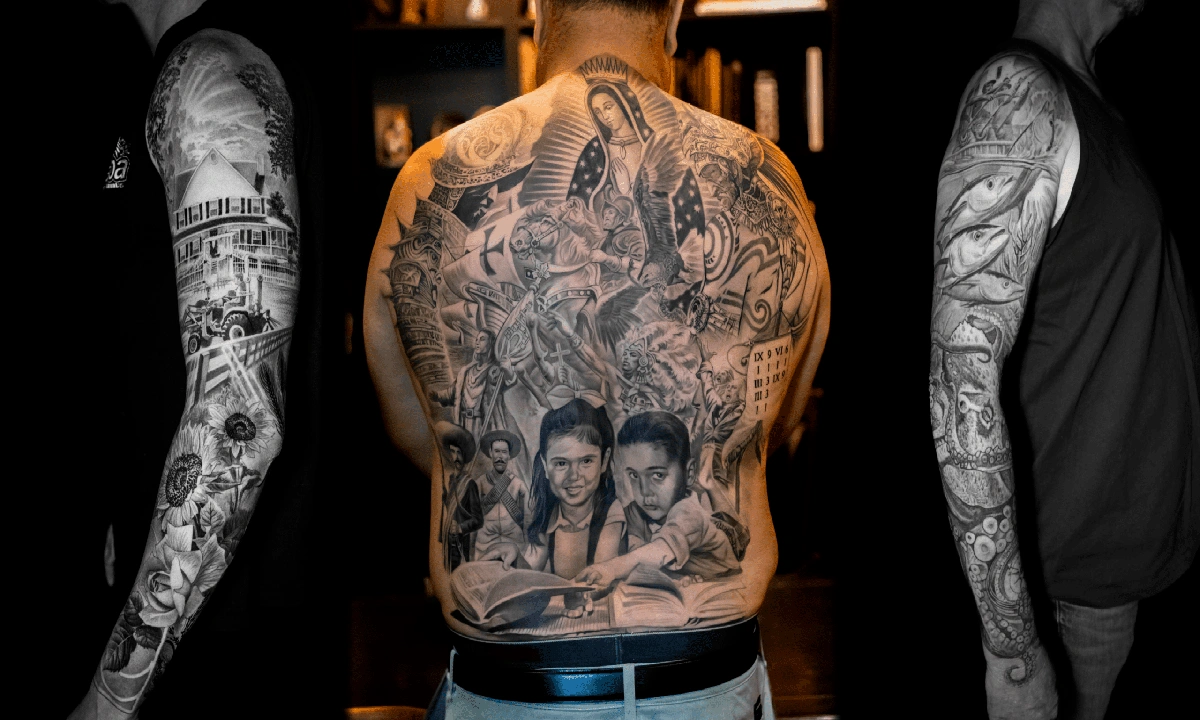
Black & grey is one of the most popular tattoo styles and relies heavily on different levels of black, grey wash and skin tone to create depth.
What to look for:
- Deep, rich black
- Smooth grey tones
- Consistent dilution for grey wash
- Good blending characteristics
- Strong contrast
Artists often use black ink as the foundation and create different grey values through dilution or dedicated grey shades, depending on their preferred technique.
Best for: Portraits, realism, religious designs, lettering and detailed black work.
2. Realism Tattoos
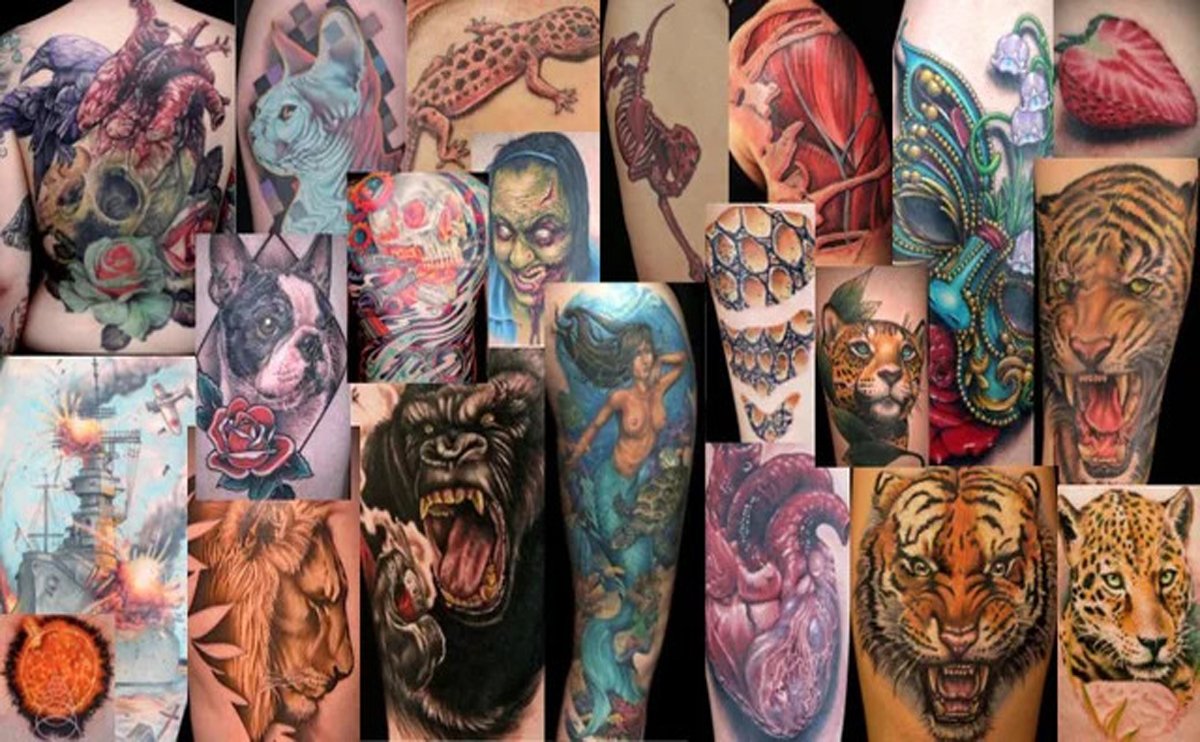
Realism requires excellent control of shading, gradients, highlights and color transitions.
For black-and-grey realism, artists generally need a strong black along with a range of grey values.
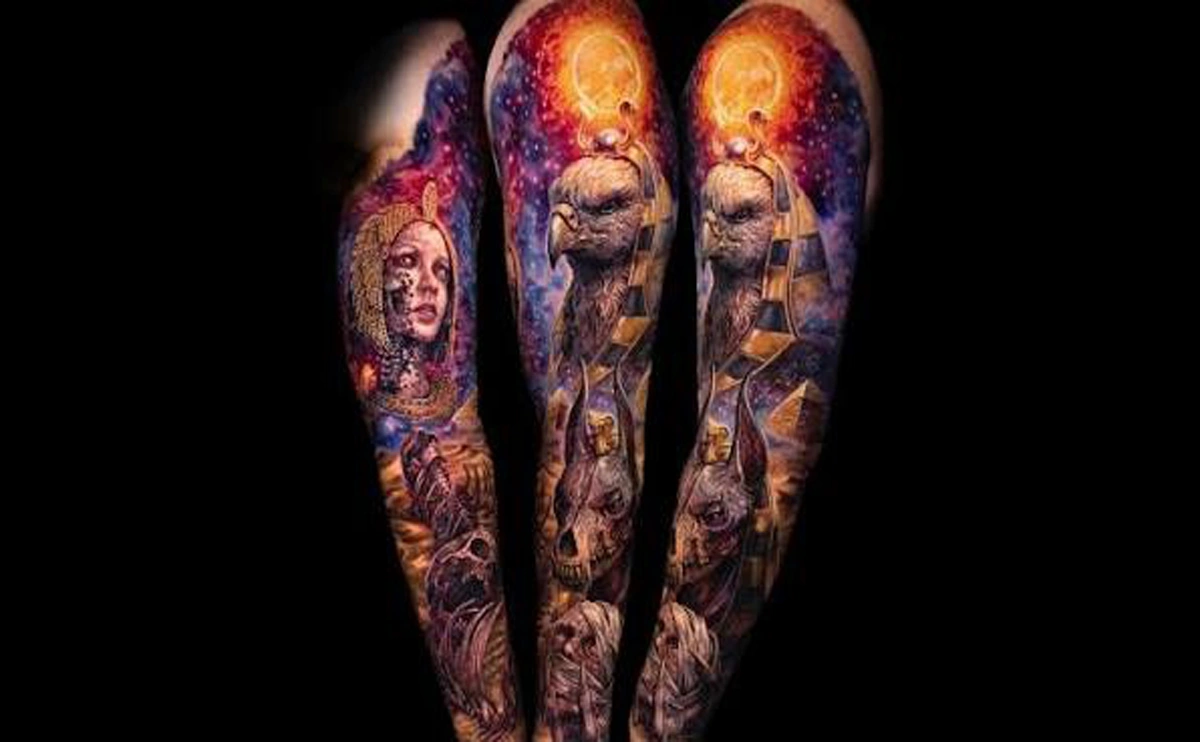
For color realism, the ink selection becomes even more important because artists may need multiple shades to reproduce natural skin tones, objects, flowers, animals and other subjects.
Look for:
- Smooth color transitions
- Strong pigmentation
- Consistent saturation
- Multiple tonal values
- Colors that can be blended effectively
The goal is not simply to use bright colors—it is to create natural-looking transitions between light and dark areas.
3. Traditional Tattoos
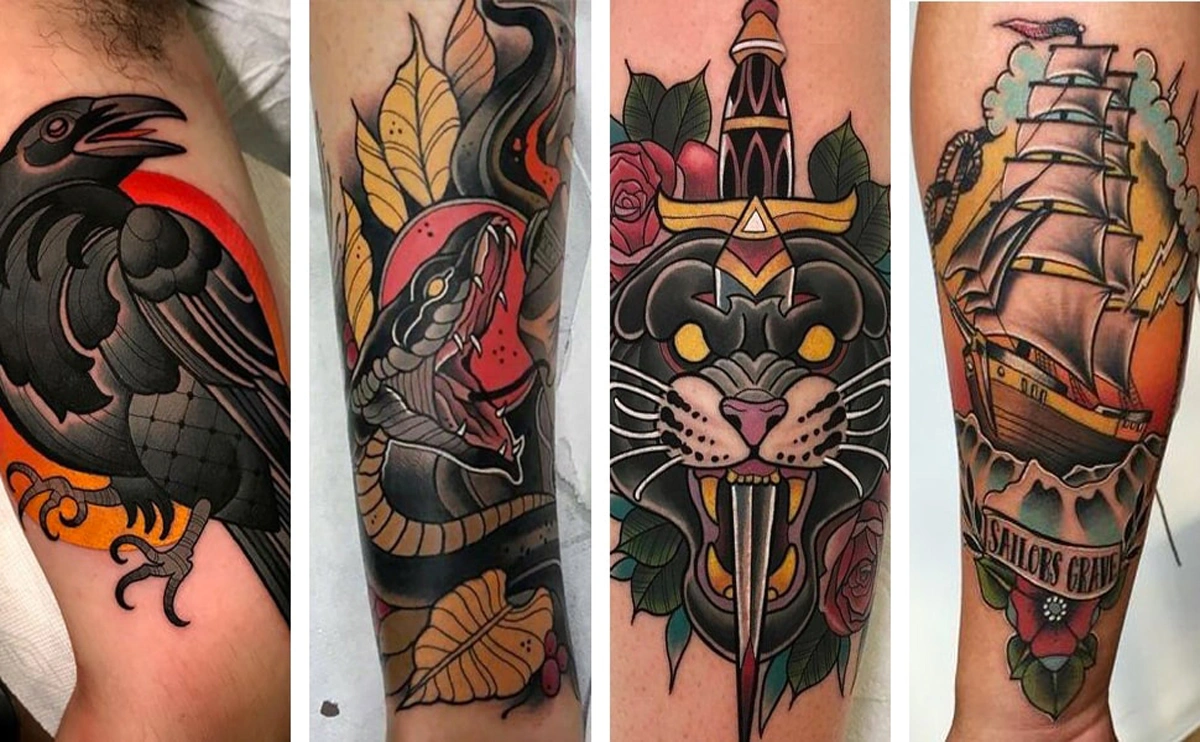
Traditional tattooing is known for bold outlines, strong contrast and highly saturated colors.
A traditional artist will typically want inks that provide strong, recognizable colors.
Popular color choices include:
- Black
- Red
- Yellow
- Green
- Blue
- Orange
- White
For this style, look for inks that provide strong saturation and clear color separation.
Bold black outlines combined with solid colors are key characteristics of traditional tattoo designs.
4. Neo-Traditional Tattoos
Neo-traditional tattoos combine bold traditional foundations with more detailed artwork, expanded color palettes and additional shading.
Compared with traditional tattooing, artists may require a wider range of colors.
Consider:
- Rich primary colors
- Deeper secondary colors
- Muted shades
- Dark tones for contrast
- Highlight colors
A good selection of complementary colors allows the artist to create depth while maintaining the distinctive bold appearance of the style.
5. Fine-Line Tattoos
Fine-line tattoos focus on delicate lines and intricate details.
For this style, ink consistency and artist control are particularly important.
Consider:
- Consistent black pigmentation
- Smooth application
- Appropriate ink flow
- Compatibility with fine needle configurations
- A shade that provides sufficient contrast with the client's skin tone
Fine-line tattoos typically rely more on precision and subtlety than heavy color saturation.
The final appearance also depends heavily on needle configuration, machine settings, technique and the individual client's skin.
6. Blackwork Tattoos
Blackwork uses black ink as the dominant element of the design and can include geometric patterns, ornamental work, tribal-inspired designs and large solid-black areas.
For heavy blackwork, artists generally look for a rich, consistent black that can produce solid coverage.
Important characteristics:
- Strong pigmentation
- Consistent application
- Good saturation
- Reliable performance
- Suitable consistency for the artist's technique
A high-quality black can help artists create strong contrast between solid areas and negative space.
7. Color Realism
Color realism requires a broad palette because artists need to recreate natural colors and subtle transitions.
For example, a realistic portrait may require several variations of:
- Skin tones
- Reds
- Browns
- Yellows
- Blues
- Greens
- White highlights
Instead of relying on one color, artists often build the image using multiple shades and layers.
What to look for:
Pigmentation: Strong enough to create the desired saturation.
Blendability: Colors should work well together according to the artist's technique.
Color range: A broader palette provides more flexibility.
8. Watercolor Tattoos
Watercolor tattoos are designed to resemble the flowing appearance of watercolor artwork.
They often use brighter colors, soft transitions and less reliance on heavy black outlines.
Consider:
- Bright color selection
- Multiple complementary shades
- Smooth color transitions
- Appropriate saturation
- Good color contrast
Because watercolor-style tattoos can use lighter and softer visual effects, artists should carefully consider how the chosen colors will appear on the client's skin.
How Skin Tone Affects Ink Selection
Tattoo ink does not look identical on every person.
The client's skin tone can influence how colors appear after application and healing.
For example, lighter colors may require different consideration on darker skin tones, while strong contrast can be particularly important when working across a wide range of skin tones.
Artists should evaluate:
- The client's natural skin tone
- The selected colors
- Contrast between colors and skin
- Expected healed appearance
- The overall tattoo design
Professional artists should rely on their experience and appropriate skin-tone considerations rather than assuming that one ink palette will work identically for every client.
How to Choose Between Black and Grey Wash
Black ink can be used to create different grey values through appropriate dilution techniques.
Some artists prefer to create their own grey wash using a consistent method, while others use pre-made grey sets.
Grey wash can be useful for:
- Soft shading
- Portraits
- Realism
- Smooth gradients
- Background shading
- Depth and dimension
The important factor is consistency. A repeatable grey-wash approach can make it easier to achieve predictable results.
Pigment Quality Matters
When choosing tattoo ink, don't focus only on the color chart.
Professional artists should consider the overall quality and reliability of the product.
Look for:
- Consistent pigmentation
- Reliable manufacturing
- Clear ingredient and product information
- Proper labeling
- Appropriate packaging
- Batch information where applicable
- Reputable manufacturer
- Compliance with applicable regulations
Always purchase tattoo ink from a trustworthy source and follow the manufacturer's storage and handling instructions.
Don't Forget White Ink
White tattoo ink is commonly used for highlights and contrast.
It can be particularly useful in:
- Realism
- Color tattoos
- Illustrative work
- Traditional designs
- Highlighting selected details
White can also be visually striking when used correctly, but its healed appearance can vary depending on the client's skin and the tattooing technique.
Building a Professional Tattoo Ink Collection
You don't need hundreds of colors to build a useful professional collection.
A practical starting palette can include:
Essential Colors
- Black
- White
- Red
- Yellow
- Blue
- Green
You can gradually expand your collection with:
- Orange
- Purple
- Brown
- Pink
- Grey shades
- Skin-tone colors
- Muted colors
- Specialty shades
Artists can then build custom palettes according to their preferred tattoo styles.
Tattoo Ink + Machine + Needle = Complete System
Ink selection should not be considered separately from the rest of your equipment.
Your final result is influenced by the combination of:
Tattoo Machine + Needle Configuration + Voltage + Hand Speed + Ink + Technique + Skin
For example, the same ink can behave differently depending on the needle configuration and machine settings.
This is why professional artists develop their own preferred combinations through experience and practice.
Important Safety Considerations
Tattooing involves breaking the skin, so product quality and hygiene are essential.
Always:
- Use products intended for professional tattooing.
- Check product labeling and manufacturer's instructions.
- Follow applicable local regulations.
- Use appropriate hygiene and infection-control procedures.
- Never use contaminated ink.
- Avoid returning unused ink from ink caps to the original bottle.
- Dispose of used ink and contaminated materials appropriately.
For professional tattooing, always follow the safety requirements applicable in your location.
Final Thoughts
Choosing tattoo ink isn't simply about picking the brightest or darkest color.
The best choice depends on the tattoo style, design, skin tone, desired saturation, shading technique and the artist's personal workflow.
A professional artist should build an ink collection that matches their most frequently used styles and gradually expand it as their techniques develop.
Whether you're creating fine-line details, realistic portraits, traditional tattoos, blackwork or vibrant color pieces, the right combination of quality ink, needles, machine settings and technique can help you achieve consistent professional results.
Frequently Asked Questions
Which tattoo ink is best for beginners?
Beginners should focus on purchasing quality, properly labeled tattoo inks from reputable manufacturers rather than simply choosing based on price. A basic black, white and primary-color selection can provide a useful starting palette.
What ink is best for blackwork?
A consistent, richly pigmented black designed for professional tattooing is commonly preferred for blackwork.
What colors are essential for a tattoo artist?
Black, white, red, yellow, blue and green form a useful basic palette. Artists can add additional shades according to their preferred tattoo styles.
Is tattoo ink the same for every tattoo style?
Not necessarily. Different styles can benefit from different pigmentation levels, shades and color palettes.
Why does tattoo ink look different after healing?
The appearance of a tattoo can change as the skin heals. Ink interacts with the skin and the final healed appearance can vary based on skin tone, placement, technique, ink and other factors.
How should tattoo ink be stored?
Always follow the manufacturer's storage instructions. Keep products properly sealed and stored under the conditions specified on the product labeling.
Can different tattoo inks be mixed?
Only mix products when the manufacturers' instructions and intended use allow it. Artists should avoid experimenting with incompatible products or unknown formulations.